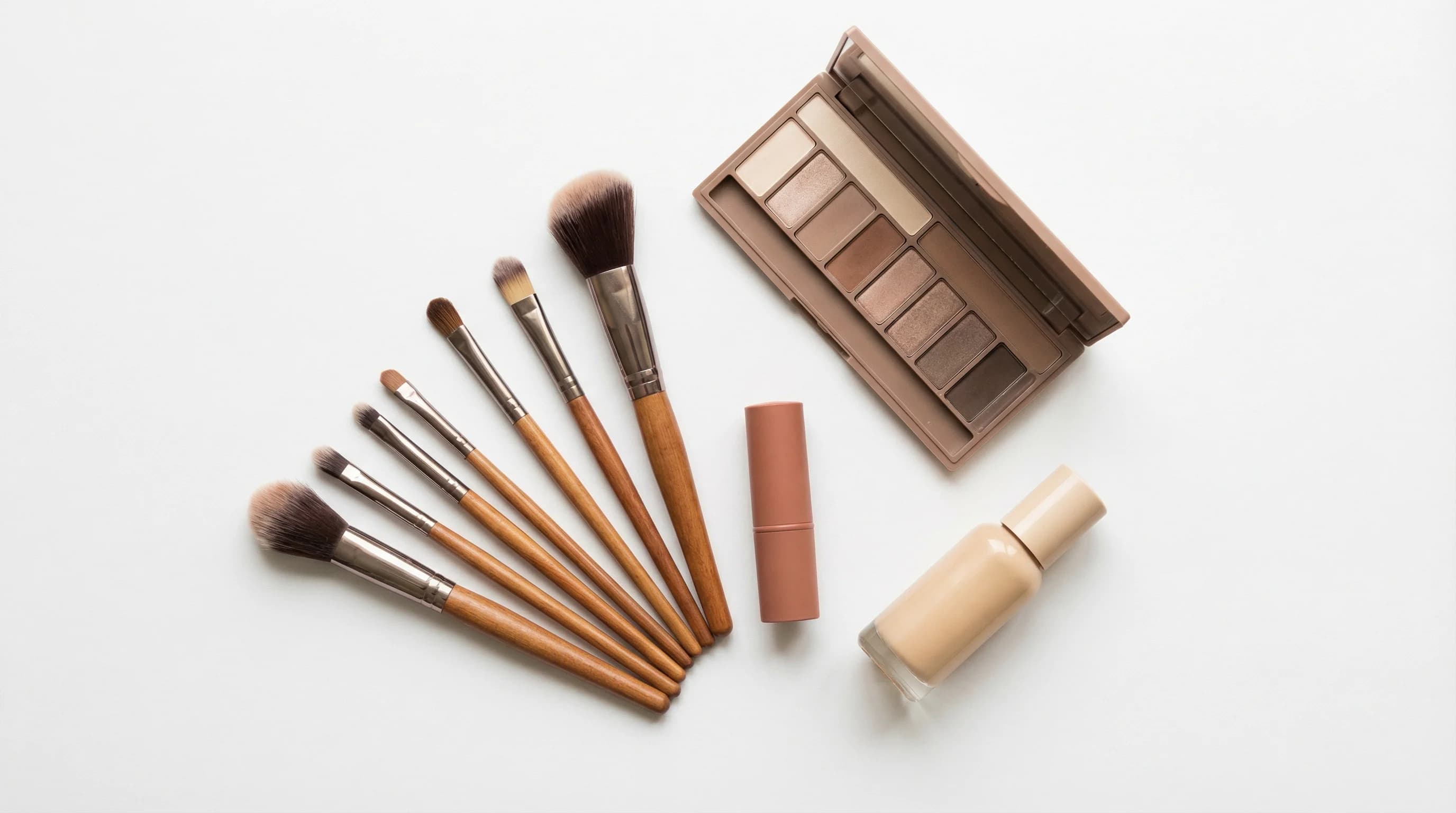
Makeup Basics Guide: Courses, Resources, and Learning Paths
Discover the best makeup basics courses, free tutorials, YouTube channels, and communities. Our comprehensive guide takes you from zero to confident makeup application.
Hire the developers behind TutorialSearch.io
We built this site — full-stack web apps, AI integration & automation. Tell us what you need and we'll build yours.
Makeup basics are the foundation of any beauty look—whether you're getting ready for a everyday appearance or a special occasion in 2026. Learning proper technique, product application, and color theory transforms your confidence and results. This comprehensive guide covers the essential courses, free resources, YouTube channels, and communities that will take you from zero makeup knowledge to confidently applying foundation, blending concealer, and creating looks that complement your unique features.
Key Takeaways
- Master makeup basics through step-by-step video courses on foundation, eyeshadow, and blending techniques
- A solid makeup foundation requires practice with quality brushes, primers, and color-matched products
- Free platforms like YouTube and beauty blogs offer hundreds of beginner makeup basics tutorials
- Makeup communities on Discord and Reddit connect you with other learners and professional makeup artists
- The best makeup basics course depends on your learning style—visual learners thrive with video, while hands-on learners benefit from detailed technique breakdowns
In This Article
- The Best Makeup Basics Courses You Can Take Today
- Makeup Fundamentals: Free Resources That Actually Work
- Video Tutorials: YouTube Channels for Visual Learners
- Code & Tools: GitHub Projects for Virtual Makeup Exploration
- Go Deeper: Books and Long-Form Makeup Learning
- Join the Community: Where Makeup Enthusiasts Connect
- Choosing Your Path: A Beginner's Roadmap
- FAQ
The Best Makeup Basics Courses You Can Take Today
If you want structured, comprehensive learning with instructor feedback and certificates, paid courses deliver results. The choice between courses often comes down to teaching style, pacing, and whether you prefer general fundamentals or targeted technique work.
DIY MAKEUP COURSE by Iryna Bublyk
**[Editors' Choice]**(Udemy, 4.94★)- This course ranks highest in ratings for good reason. Bublyk breaks down makeup application into practical, repeatable steps without overwhelming theory. The course covers foundation matching (one of the most common beginner mistakes), blending techniques that actually work on real skin, and eye makeup essentials from basic to slightly advanced. The "DIY" framing appeals to anyone nervous about professional makeup, and the course assumes zero prior knowledge. The teaching pace is patient and deliberate, with plenty of time to absorb each concept before moving forward. Students report noticeable improvement in their makeup application within just two weeks of watching lessons.
"The BASICS 101 Makeup Course" - For Absolute Beginners! by Amy Loring (Udemy, 4.64★)
- Amy Loring's course is explicitly designed for people who've never worn makeup. She walks through product selection (what to actually buy and why), skin prep (the step most beginners skip), foundation application, and the correct order to apply everything. Students consistently praise her clarity and how she doesn't assume prior knowledge about makeup terminology or professional tools. If you've ever been confused by beauty jargon, this course demystifies it completely. Amy's teaching method breaks each technique into micro-steps, making even complex blending seem achievable.
Eye Makeup masterclass: Almond-Shaped Eye Makeup by Anaivi Academy (Udemy, 4.72★)
- Eyes are often the most intimidating part for beginners. This course zeros in on eyeshadow blending, eyeliner techniques, and how to apply makeup to different eye shapes. Anaivi Academy uses close-up demonstrations, which is crucial for learning precise blending techniques—you need to see the exact angle and pressure they're using. If eye makeup is your weak point, this is the targeted course to take. The emphasis on different eye shapes means whether you have hooded, monolid, or deep-set eyes, you'll find specific guidance.
Everyday Makeup - Complete Step by Step Makeup course by Frankie francy (Udemy, 4.22★)
- This course focuses on real-world makeup you can actually do in 15-20 minutes before work or social outings. Frankie breaks down everyday makeup into phases: base (primer and foundation), color (blush and eyeshadow), and finishing (setting spray). It's less about transformation and more about enhancement—perfect for people who want to look polished without committing to a two-hour routine. The practical focus means you learn techniques you'll actually use daily.
Mastering SELF MAKEUP For Beginners + Self Makeup artists
**[Editors' Choice]**by Tasneem Nulwala (Udemy, 4.59★)- Self-makeup—doing your own makeup rather than hiring a professional—requires different techniques and muscle memory than applying makeup to someone else. Tasneem teaches the tricks professionals use when working on their own face: optimal mirror angles, hand control from unconventional positions, and reachability hacks. This course shines if you're frustrated with makeup application on yourself versus how it looks when someone else applies it. Understanding the spatial challenges of self-application helps you develop realistic expectations and better techniques.
Makeup Basics: Learn Eye Makeup Today! by Laura Hix (Udemy, 4.30★)
- Laura's course combines makeup fundamentals with a deep eye focus. She teaches product layering (how many products and in what order), brush selection (which brush matters for which step), and blending sequences that prevent harsh lines. The production quality is high, with multiple camera angles so you see the application from different perspectives—especially helpful for understanding three-dimensional techniques.
Makeup Fundamentals: Free Resources That Actually Work
Quality free resources exist, and they're better than ever. Here's where to find them without spending money:
Makeup.com (powered by L'Oréal) is the gold standard for free tutorials. It's run by industry professionals, has thousands of how-tos from basic to advanced, and includes written guides alongside videos. The site covers foundation color-matching, eyeshadow techniques for different eye shapes, and product recommendations—all completely free. The breadth of content means you can always find a tutorial addressing your specific concern or skin type.
IPSY's Makeup for Beginners Guide provides a 4-step application framework: prime, base, enhance, finish. Their guide is concise, actionable, and specifically written for people starting from zero. The framework approach helps beginners understand that makeup is sequential—each step builds on the previous one and serves a purpose.
Natalie Setareh's Makeup for Beginners: 4-Step Application breaks makeup into phases and explains the purpose of each step. Setareh's approach is more conceptual than product-focused—you learn why you're applying makeup in a certain order, not just how. This understanding transfers to different products and brands across different makeup lines.
IBA Cosmetics' Step-by-Step Guide (2026 Edition) is updated annually and reflects current trends in beauty. It covers skincare prep (often overlooked by beginners), foundation selection for different skin types, and setting techniques to make makeup last throughout your entire day.
Makeup Tutorials.com houses hundreds of free tutorials organized by specific topic: contouring, blending, eye shapes, skin tones, and more. It's more of a reference library than a traditional course, but it's invaluable when you need specific help like "how to apply makeup to hooded eyes" or "contour for a round face."
Revlon's Makeup for Beginners Guide combines product recommendations with step-by-step application instructions. While they naturally feature their own products, the core techniques described are universal and work with any brand.
Video Tutorials: YouTube Channels for Visual Learners
YouTube is the most accessible place to learn makeup basics in 2026. Visual learners especially benefit from watching professionals apply makeup in real time, pausing to replicate techniques, and repeating lessons as many times as they need.
James Charles (24+ million subscribers) posts polished, energetic makeup tutorials with current trends and advanced techniques. His content leans more advanced and entertaining than strictly beginner-focused, but his energy is infectious and his technical skill is undeniable. His channel evolved from pure makeup to lifestyle content, but his archived tutorials remain valuable.
NikkieTutorials (14+ million subscribers) by Nikkie de Jager focuses on detailed tutorials and product breakdowns. She's meticulous about technique and explains her reasoning—why she's using this particular brush, this specific angle, this product instead of an alternative. Her videos often run long but contain extraordinary detail that beginners benefit from.
The Makeup Chair with Sinead Cady is specifically recommended for beginners. Sinead's teaching style is patient and educational without being condescending. She thoroughly explains techniques rather than assuming you already know makeup terminology like "cut crease" or "transition shade."
Tati combines routine tutorials with extensive product reviews and beauty industry commentary. Her content tends to be longer (30+ minutes) but deeply informative for people who want to understand not just techniques but the rationale behind product choices and application methods.
Bretman Rock brings personality and entertainment to makeup tutorials. His content is fun and accessible for people who want makeup education without seriousness or pressure to look flawless. His approach makes learning feel like you're getting tips from a fabulous friend.
Sara specializes in creative, artistic makeup looks with clear step-by-step demonstrations on YouTube. Her videos often feature multiple angles and slow-motion for precision techniques, which is particularly valuable for understanding hand movement and pressure.
Code & Tools: GitHub Projects for Virtual Makeup Exploration
Hire the developers behind TutorialSearch.io
We built this site — full-stack web apps, AI integration & automation. Tell us what you need and we'll build yours.
If you're technically inclined or interested in the technology behind makeup artistry, GitHub hosts fascinating projects that bridge beauty and programming:
Virtual Makeup by Jayanths9 uses Python, OpenCV, and MediaPipe to apply virtual makeup in real time. The script works on images, videos, or live camera feeds and lets you experiment with different lipstick, eyeshadow, and eyeliner colors before committing to a real purchase. This is ideal if you're trying to find your best makeup colors or understanding how different shades interact with your skin tone.
Real Time Makeup Application by yxding applies lipstick, eyebrow color, blush, eyeshadow, and foundation virtually. It's valuable for understanding color theory and how makeup shades interact with your skin tone and undertones. The real-time processing means you can see live changes as you adjust colors.
Awesome Makeup Transfer is a curated list of makeup transfer resources—projects, papers, and datasets for researching makeup application using machine learning. This collection is perfect for those interested in the intersection of AI and beauty technology.
Face Enhancement and Makeup by ZainabZaman combines virtual makeup application with face enhancement using the CodeFormer model. It demonstrates how makeup can be computationally applied to improve facial appearance.
Go Deeper: Books and Long-Form Makeup Learning
Books offer comprehensive, permanent reference material that you can return to repeatedly throughout your makeup journey. Here are the most recommended:
Bobbi Brown Makeup Manual: For Everyone from Beginner to Pro by Bobbi Brown is widely considered the definitive guide for makeup fundamentals. It covers everything from finding the right foundation shade for every skin tone to techniques for different eye shapes, brow colors, blush placement, and lip application. Bobbi's approach is practical and inclusive—the book genuinely works for beginners and professionals alike. The instructions are detailed enough to follow step-by-step but organized well enough to skip around as needed. Also available through Barnes & Noble.
Makeup: The Ultimate Guide by Rae Morris covers foundation selection, color theory, and techniques for different face shapes and skin tones. Rae is an Australian makeup artist with decades of professional experience, and her book reads like personal mentoring from someone who truly understands makeup artistry at the highest levels.
Making Faces by Kevyn Aucoin is a New York Times bestseller featuring professional makeup techniques used on models and celebrities. Kevyn's approach is both technical and artistic, balancing precise instruction with creative inspiration.
Jemma Kidd Make-Up Secrets is split into two sections: product knowledge and technique, then problem-solving for common beauty challenges. If you struggle with specific issues like hooded eyes or uneven skin tone, this book has practical solutions tested on real people.
Join the Community: Where Makeup Enthusiasts Connect
Learning alone can be isolating. Join communities where people share tips, product recommendations, and encouragement. Communities provide real-world feedback that complements video courses and written guides.
r/MakeupAddiction on Reddit is the largest makeup community online with 800k+ members. It's beginner-friendly, moderation is strong, and daily threads address common questions. Related subreddits cover specific interests: r/AsianBeauty, r/SkincareAddiction, r/BudgetBeauty. Many members share before-and-after photos with specific technique feedback.
Discord communities like Cosmetic Cuties, Peglown, and Paliens Hub are active servers where makeup learners and professionals discuss techniques, share looks, and answer questions in real time. The live chat format means you get faster feedback and immediate help when stuck.
Makeup.com Community - Beyond their tutorials, Makeup.com has a community forum where people ask questions and share their makeup journeys. The moderation is professional and welcoming to beginners without judgment.
Choosing Your Path: A Beginner's Roadmap
With so many resources available, how do you choose the right path for your learning style? This decision tree helps:
Do you learn best by watching? Start with YouTube. Subscribe to The Makeup Chair and Tati, watch 3-5 videos, then practice on yourself. Cost: $0. Time commitment: 2-3 hours of viewing before you're ready to apply makeup.
Do you want structured learning with feedback? Take DIY MAKEUP COURSE or "The BASICS 101 Makeup Course". You'll have clear progression, can rewatch lessons indefinitely, and get completion certificates. Cost: $15-50. Time commitment: 3-8 hours total.
Do you prefer reading and reference material? Get Bobbi Brown Makeup Manual. You'll have a permanent reference guide and can practice specific techniques as you read through chapters. Cost: $30-40. Time commitment: 4-6 weeks at your own pace.
Do you want community support? Join a Reddit makeup community or a makeup Discord server. Post photos of your practice looks, ask questions, and get feedback from hundreds of experienced people. Cost: $0. Time commitment: Ongoing involvement.
The best path combines all four approaches: watch YouTube videos for inspiration, take a structured course for fundamentals, reference a book for detail and advanced topics, and join a community for support and feedback. This multi-modal approach accommodates different learning styles and keeps motivation high throughout your journey.
| Learning Type | Best Resource | Cost | Time | Why It Works |
|---|---|---|---|---|
| Visual/Video | YouTube channels | Free | 2-3 hours | Real-time demonstration with pause/rewind |
| Structured/Guided | DIY Makeup Course | $15-50 | 3-8 hours | Clear progression, certificates, instructor interaction |
| Reference/Deep | Bobbi Brown Manual | $30-40 | 4-6 weeks | Permanent reference for any topic |
| Community/Support | Reddit + Discord | Free | Ongoing | Peer feedback, encouragement, diverse perspectives |
FAQ
How long does it take to learn makeup basics?
Most people grasp the fundamentals—foundation, concealer, eyeshadow, and finishing—within 2-4 weeks of consistent practice. That said, true skill develops over months as you learn to adapt techniques to different face shapes, skin tones, and lighting conditions. Plan for 30 minutes of practice every few days for the first month, then techniques become automatic. After 8-12 weeks, you'll have solid foundational skills and confidence.
Do I need expensive products to learn makeup basics?
No. Expensive products don't teach better technique—consistent practice does. Start with drugstore basics: a foundation in your shade, a concealer, a blush, a neutral eyeshadow palette, and a mascara. A good brush set matters more than brand names. Once you understand application and have developed skill, upgrading to professional-grade products can make a noticeable difference in finish and longevity, but beginners should focus on technique first.
Can I get a job with makeup basics skills alone?
Makeup basics alone don't qualify you for professional makeup artistry jobs. Most professional makeup artists complete comprehensive courses, build a portfolio of looks, and specialize in specific areas like bridal, editorial, or special effects makeup. That said, strong makeup basics are the foundation for professional work—they're the prerequisite. If you're interested in makeup artistry as a career, explore specialized courses after mastering fundamentals.
What's the difference between makeup basics and advanced makeup?
Makeup basics teach proper application of everyday products: foundation, concealer, powder, blush, eyeshadow, eyeliner, and mascara. Advanced makeup introduces color theory, special effects, contouring techniques, and artistic looks. Basics are about enhancing natural features; advanced is about transformation and artistic expression.
Which makeup basics course is best for my skin tone?
Bobbi Brown Makeup Manual and Makeup.com's guides explicitly address multiple skin tones. Most YouTube creators demonstrate on various skin tones in their playlists. Look for courses mentioning "all skin tones" or "every complexion" in the description. Skin tone matters for color matching and shade selection, so prioritize resources that show examples matching yours.
Should I use a primer for makeup basics?
Primers aren't essential when starting out, but they help makeup last longer and look smoother. If your makeup fades quickly or feels patchy by noon, try a primer. Budget primers work fine—you don't need expensive versions. Start with the makeup basics first; add primer once you've mastered basic application and want to extend wear time.
Related Makeup Skills Worth Exploring
If makeup basics interests you, these complementary skills pair beautifully:
- Hair Styling — A cohesive look pairs makeup with polished hair. Learning both creates a complete aesthetic.
- Skin Rejuvenation — Your skin is the canvas for makeup. Understanding skincare improves makeup application.
- Nail Techniques — Detailed hand skills from nail art transfer to makeup application precision.
This guide was updated for 2026 to reflect the latest resources, courses, and communities for learning makeup basics. Explore these resources, commit to consistent practice, and you'll develop genuine skill and confidence in makeup application.